
Cloud Computing Tutorial
Introduction to Cloud Computing
Cloud Computing tutorial offers a deep dive into the fundamental and advanced aspects of cloud technology. Designed for both beginners and experienced professionals, this tutorial explains the concepts, features, and benefits of cloud computing in a clear and engaging way.
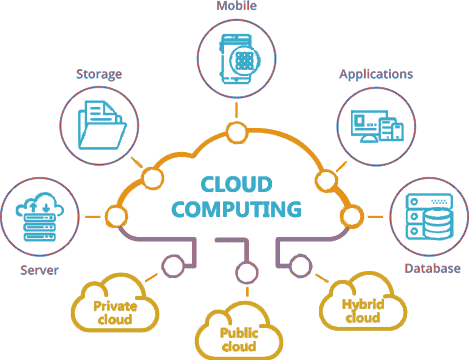
Cloud computing is a virtualization-based technology that provides a wide range of services, including the creation, configuration, and deployment of applications over the internet. The cloud encompasses a development platform, storage, software applications, and database management, enabling organizations to streamline operations and reduce costs.
Learn more about virtualization in cloud computing.
What is Cloud Computing?
The term “cloud” represents a network or the internet. It leverages remote servers to store, manage, and access data online, replacing the need for local storage solutions. This data can include files, images, documents, audio, videos, and more.
Cloud computing empowers users to perform several critical operations, such as:
- Developing new applications and services
- Storing, backing up, and recovering data
- Hosting blogs and websites
- Delivering software on demand
- Analyzing data
- Streaming videos and audio content
Explore the basics of cloud computing.
Why Cloud Computing?
Traditional IT infrastructures, such as server rooms, involve high costs and maintenance. A typical server room requires:
- Database servers
- Mail servers
- Networking equipment
- Firewalls, routers, and modems
- Configurable systems
- High-speed internet
- Maintenance engineers
Setting up such infrastructure demands significant investment and ongoing costs. Cloud computing addresses these challenges by offering scalable, cost-effective, and reliable solutions for IT needs.
Discover cost-saving benefits of cloud computing.
Key Features of Cloud Computing
1. Agility
Cloud computing enables fast resource provisioning in a distributed environment, enhancing operational efficiency.
2. High Availability and Reliability
Cloud infrastructure offers robust reliability due to distributed data centers, minimizing the chances of downtime or infrastructure failures.
3. Scalability
Cloud services are scalable on demand, allowing businesses to handle variable workloads without additional physical resources.
Read more about cloud scalability.
4. Multi-Tenancy
With cloud computing, multiple users share the same infrastructure efficiently, leading to reduced costs.
5. Device and Location Independence
Cloud services can be accessed from any device or location through a web browser, providing unparalleled flexibility.
6. Easy Maintenance
Cloud applications require minimal maintenance as they are hosted off-site, reducing the need for manual updates and installations.
7. Cost-Effectiveness
Organizations can avoid heavy infrastructure investments by adopting a pay-as-you-go model, only paying for the resources they consume.
Learn about pay-as-you-go cloud pricing.
8. Security
Cloud providers implement advanced security protocols and measures, ensuring the safety of user data and applications.
Understand cloud security essentials.
Types of Cloud Computing
Cloud computing is categorized into three primary models based on service offerings:
1. Infrastructure as a Service (IaaS)
IaaS provides virtualized computing resources over the internet, such as servers, storage, and networking. It is ideal for IT administrators and developers.
Example Providers: AWS EC2, Google Compute Engine, Microsoft Azure
2. Platform as a Service (PaaS)
PaaS offers a platform for developers to build, test, and deploy applications without worrying about the underlying infrastructure.
Example Providers: Google App Engine, Heroku, Microsoft Azure PaaS
3. Software as a Service (SaaS)
SaaS delivers software applications over the internet, eliminating the need for installation or management.
Example Providers: Google Workspace, Salesforce, Dropbox
Get insights into SaaS applications.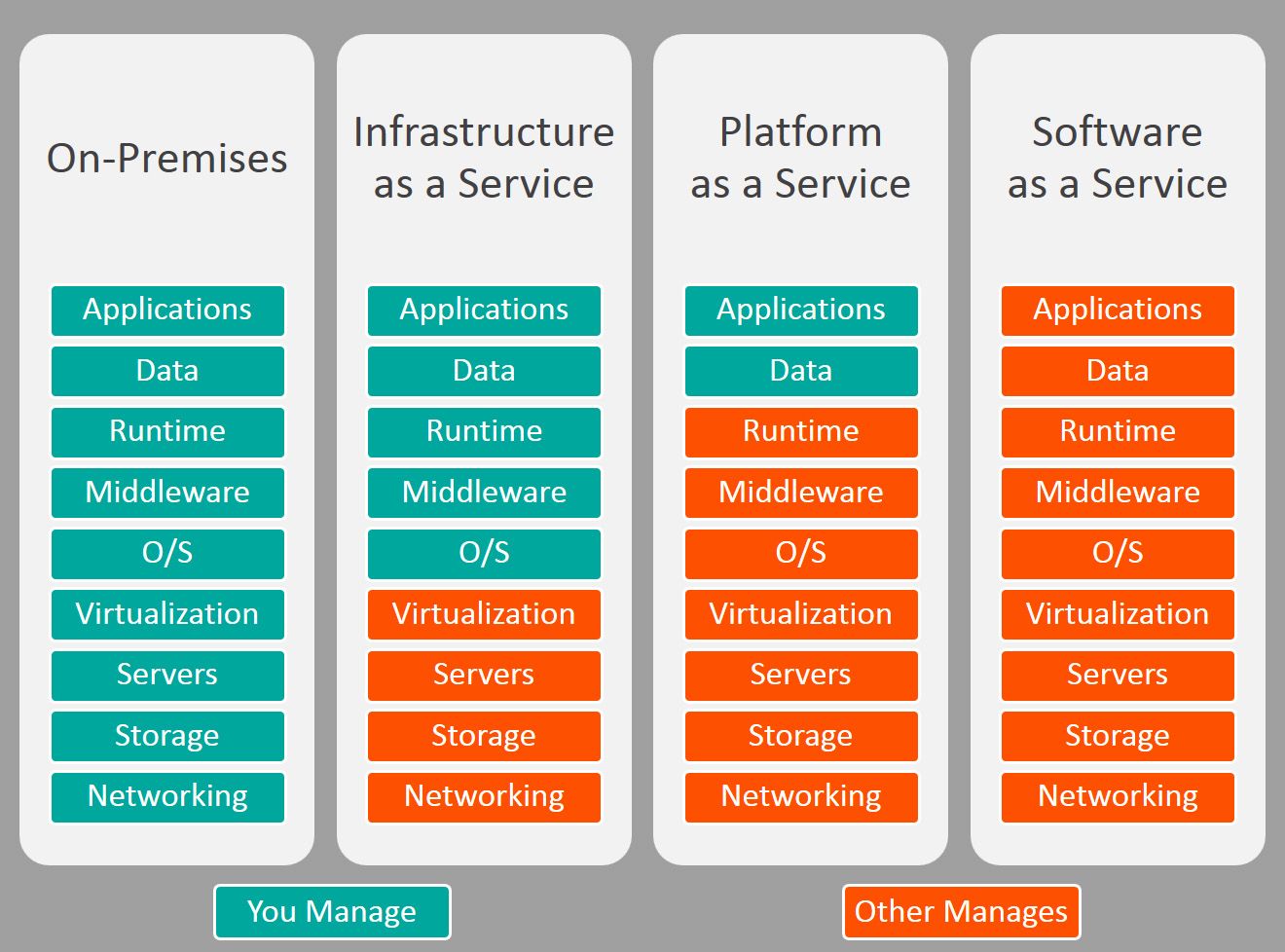
Cloud Deployment Models
Cloud computing services are deployed in different models to suit specific business needs:
1. Public Cloud
Public clouds are owned and operated by third-party service providers and are accessible to multiple organizations via the internet.
Learn about public cloud benefits.
2. Private Cloud
Private clouds are dedicated to a single organization, offering greater control and security.
3. Hybrid Cloud
Hybrid clouds combine public and private cloud environments, enabling seamless data transfer and flexibility.
Discover hybrid cloud solutions.
4. Community Cloud
Community clouds are shared by organizations with similar interests or requirements, such as government institutions.
Advantages of Cloud Computing
- Cost Efficiency: Reduces capital expenditure and operational costs.
- Flexibility: Provides resources on demand, enhancing operational adaptability.
- Global Access: Enables users to access data and applications from any location.
- Disaster Recovery: Simplifies data backup and recovery processes.
- Collaboration: Facilitates real-time collaboration among team members.
- Eco-Friendly: Reduces energy consumption and carbon footprint.
See how cloud computing boosts productivity.
Challenges in Cloud Computing
- Data Security: Concerns about data breaches and unauthorized access.
- Downtime: Dependence on internet connectivity may lead to service interruptions.
- Limited Control: Users have minimal control over backend infrastructure.
- Compliance Issues: Organizations must ensure compliance with industry regulations.
- Vendor Lock-In: Switching providers can be complex and costly.
Read about overcoming cloud challenges.
Applications of Cloud Computing
1. Storage and Backup
Services like Google Drive and Dropbox allow users to store and back up data securely.
2. Software Delivery
SaaS applications such as Microsoft Office 365 provide software on a subscription basis.
3. E-Commerce
E-commerce platforms rely on cloud infrastructure for scalability and reliability.
Explore cloud e-commerce solutions.
4. Healthcare
Cloud computing powers telemedicine, patient data management, and research collaborations.
5. Entertainment
Streaming platforms like Netflix and Spotify deliver media content via cloud servers.
Conclusion
Cloud computing has revolutionized the way businesses operate by offering flexible, cost-effective, and secure solutions. By understanding its features, benefits, and challenges, organizations can effectively harness the power of the cloud to achieve their goals.
Whether you’re a beginner exploring the basics or a professional looking to enhance your expertise, cloud computing offers limitless possibilities for innovation and growth.
For more in-depth guides and resources, explore additional tutorials or consult with cloud service providers. Start your cloud journey today and embrace the future of technology!